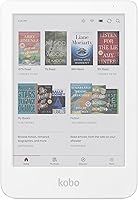
Kobo Clara BW vs Kindle Paperwhite: Which Is Better? (November 2026)
Pick the Kindle Paperwhite 16GB for most readers. Its 7-inch glare-free screen, waterproof build and 12-week battery make it the safer buy in this Kobo Clara BW vs Kindle Paperwhite choice, unless the Kindle Store isn't where your books live.
On this page (10 sections)
- The quick verdict on Kobo Clara BW vs Kindle Paperwhite
- The two Paperwhite models side by side
- Does a 7-inch screen beat the smaller Kobo Clara BW?
- Storage: is 16GB enough or should you pay for 32GB?
- Which e-reader feels better to hold and carry?
- Battery, charging and waterproofing compared
- Can the Kobo Clara BW read Kindle books?
- Who should buy which Kindle Paperwhite
- Which extras justify the Signature Edition price tier?
- Verdict: Kobo Clara BW vs Kindle Paperwhite
Pick the Kindle Paperwhite 16GB for most readers. It earns a 9.2 for its 7-inch glare-free screen, waterproof body and up to 12 weeks of battery life per charge.
The Signature Edition scores 8.9 and adds an auto-adjusting front light, 32GB storage and wireless charging. That upgrade helps a specific reader, not everyone.
For this kobo clara bw vs kindle paperwhite comparison, the short answer is that the Paperwhite family wins on everyday value. The choice inside it comes down to whether the Signature extras are worth it to you.

 Best for wireless charging fans
Kindle Paperwhite Signature Edition 32GB
The quick verdict on Kobo Clara BW vs Kindle Paperwhite
For most people, the Kindle Paperwhite 16GB is the pick. The 7-inch glare-free display is the same one used on the Signature Edition, and it turns pages 25% faster than the previous Paperwhite.
That screen carries a higher contrast ratio, so text stays sharp in bright sun or at night. You adjust it from white to amber light, which covers daytime reading and a dim room without a separate lamp.
The 16GB model also shares the waterproofing and the up-to-12-week battery estimate with its sibling. Add over 15 million titles in the Kindle Store, and it covers the basic reading job well.
The Signature Edition earns its place if you want a screen that adjusts itself. If you don't care about that, the standard model does the same reading at the lower price tier.
Both models skip social media, notifications and other distracting apps. That design choice is part of the pitch, not a side note.
It means the device asks you to read and little else, which is harder to find on a general tablet.
The two Paperwhite models side by side
The table below lines up the two Kindle options. Where they match, the difference sits elsewhere: the light, storage and charging.
| Product | Best for | Storage | Display | Charging | Our score |
|---|---|---|---|---|---|
| Kindle Paperwhite 16GB | most readers | 16GB | 7-inch glare-free | USB-C | 9.2 |
| Kindle Paperwhite Signature Edition 32GB | wireless charging fans | 32GB | 7-inch glare-free | USB-C or wireless | 8.9 |
The standard 16GB model charges over USB-C. Its battery lasts up to 12 weeks per charge, so charging is rare.
The Signature Edition keeps the USB-C option and adds wireless charging through a dock sold separately. Both are waterproof, both use the next-generation 7-inch screen, and both stay free of social media and notification apps.
Those shared traits mean you are not giving up much by choosing the cheaper model. The gap is in the extras, not the core reading experience.
One shared trait matters more than the rest: the display. Because both models use the same next-generation 7-inch glare-free panel, the page you look at is identical.
The contrast ratio and the faster page turns do not change when you step up to the Signature Edition. You are paying for how the screen is managed and what the device can store and charge, not for a sharper page.
That is the single most useful fact in this whole comparison, so keep it in mind as you read the rest.
Does a 7-inch screen beat the smaller Kobo Clara BW?
The Paperwhite's 7-inch screen is the larger of the two readers in that size class, and it gives you more words per page. That matters for long novels, where fewer page turns keep you inside the story.
Kobo's model ships books in the Kobo Store, so a Kobo Clara BW vs Kindle Paperwhite decision often hinges on where your library lives. If you already buy from Kobo, moving is a hassle.
If you are starting fresh, look at screen size and light controls first. The Paperwhite's glare-free panel is designed so pages stay sharp whether you read at a kitchen table or on a train.
The higher contrast ratio is the detail that separates this Paperwhite from the one before it. Text sits darker against the background, which helps in bright rooms and under harsh overhead light.
Screen sharpness is the part you feel every page, so weigh it heavily.
Fixing brightness and warmth on each reader
The standard Paperwhite lets you set the display from white to amber by hand. That is a simple adjustment, but you do it yourself as light changes through the day.
The Signature Edition adds an auto-adjusting front light. Its sensor reads the room and shifts brightness without you reaching for a menu.
Late-night readers tend to value this more than daytime readers. If you read in bed with the lamp off, a self-adjusting light saves a fiddly step every session.
If you read mostly at a fixed time and place, manual control gets you a similar result. Decide by whether your reading setting changes a lot or stays the same.
If size is the bigger question for you, our Kobo Clara Colour vs Libra Colour comparison walks through how the Kobo screen sizes feel in the hand.
Storage: is 16GB enough or should you pay for 32GB?
For most readers, 16GB is plenty, because text files are small and you rarely keep thousands of books on one device. The Signature Edition's 32GB is room for a very large library or lots of long audiobooks.
A single novel takes a tiny slice of either figure. The 16GB model holds a strong reading list with room to spare for a trip.
Pick 32GB if you load a whole series before a holiday or read big volumes back to back. The extra space is also easier if you keep reference books and multi-part sagas on the device.
Buying a book in the next size up is rarely a need. Buying it for the storage feels like a comfort purchase, and that is fine if you value the headroom.
When storage stops being the deciding factor
Storage is the easiest spec to overvalue. A 16GB reader filled with text novels still has room left over, so the 32GB figure only starts to matter when your library looks unusual.
The reader who needs it keeps dozens of titles queued for a long trip, mixes in audiobooks or large files, or treats the device as a shelf for a series rather than a single book.
The reader who does not need it buys one novel at a time from the Kindle Store. A purchase lands in the cloud and downloads when opened, so the on-device figure rarely becomes a wall.
If that describes you, the 32GB upgrade is headroom you may never touch. Spend the step up on the auto-adjusting light or wireless charging instead, because those change how you use the reader every day.
Which e-reader feels better to hold and carry?
Both Paperwhite models share an ultra-thin body and a larger glare-free screen, so they sit in the hand the same way. Travel comfort comes down to the shared design, not the model you choose.
The thin frame slips into a bag without much bulk. When you read standing on a packed train or in a waiting room, a light reader is easier to hold one-handed.
A larger screen means bigger margins and more lines per page. If you read with a larger font, extra space on the page makes long paragraphs easier to track.
Neither model includes a distracting app store. That single choice is a real benefit for readers who reach for their phone between chapters.
If you want to compare brands beyond these two, our Kobo vs Boox breakdown explains where those readers sit next to one another.
Battery, charging and waterproofing compared
Expect up to 12 weeks per charge from either Paperwhite model. A USB-C cable covers both, and the Signature Edition also accepts a wireless charging dock.
Twelve weeks is a long gap between charges, so the daily battery drain stays low in normal reading. You notice the difference mostly on long trips without an outlet.
The wireless charging on the Signature Edition only helps if you already own or plan to buy a compatible dock. It is a convenience, not a faster way to fill the battery.
Both models are waterproof. That covers poolside reads and the occasional splash in the bath, which makes either one a low-stress travel companion.
If you need the exact model names for your shortlist, our Kindle Paperwhite vs Signature Edition guide lines them up in more detail.
What the waterproofing and battery estimate mean day to day
The 12-week figure is an estimate, and it assumes ordinary reading rather than constant use. Treat it as a direction rather than a promise.
The practical result is that charging becomes a rare chore, not a nightly routine. You can take the reader on a week-long trip and leave the cable at home.
Waterproofing matters in the same low-key way. It is not there so you can read underwater.
It is there so a splash by the pool or a dropped book in the bath is not the end of the device. For readers who take their e-reader to the beach or read in the tub, that peace of mind is worth more than the spec suggests.
Both models share it, so it is not a reason to pick the Signature Edition.
Can the Kobo Clara BW read Kindle books?
No, the Kobo Clara BW cannot read Kindle books without a workaround. Kindle books are locked to Amazon's store and app, which is the main reason brand loyalty decides this matchup.
That is the real question behind the kobo clara bw vs kindle paperwhite choice. If your purchases sit in the Kindle Store, the Paperwhite reads them instantly and keeps your library in one place.
Moving your library to a Kobo takes extra steps, and some books may not transfer cleanly. Our guide on whether you can read Kindle books on a Kobo explains what does and does not work.
Start with where you buy books, not with screen specs. A reader that cannot open your library is the wrong reader for you, however good its screen.
Who should buy which Kindle Paperwhite
Buy the standard Paperwhite if you want the best reading value. Picture a reader who charges overnight, reads before bed with the lamp on, and takes one novel on each trip.
The 16GB model covers all of that.
Buy the Signature Edition if you read in changing light and hate menu tinkering. Picture a commuter who moves from a sunny platform to a dim carriage and wants the screen to keep up.
The auto-adjusting light earns its place there.
Buy the Signature Edition if you like wireless charging or keep a huge library. A compatible dock makes topping up effortless, and 32GB leaves space for long series and reference books.
Pick the standard model if you are happy setting brightness by hand. You can read for weeks on one USB-C charge and still take the reader into the bath.
None of these choices require the pricier model unless the extra features match how you actually read.
A quick way to decide in one minute
Ask yourself three questions. Does the light in your reading spot change often?
Do you want to set the reader down on a charging dock instead of plugging in a cable? Will you store more than a few dozen titles or long audiobooks at once?
One yes points to the Signature Edition as a nice-to-have. Two or three yes answers make it the better fit.
All no answers mean the standard 16GB Paperwhite does everything you need. If you are still unsure, buy the standard model first.
It shares the screen and the waterproofing, so the only thing you would miss later is the hands-off light and the charging pad.
Which extras justify the Signature Edition price tier?
The Signature Edition earns its step up for three reasons: the auto-adjusting light, the 32GB storage and wireless charging. If none apply to you, the standard model is the better value.
A hands-off front light is the strongest draw. Reading in changing light without touching a menu feels easier after a long day.
Wireless charging is convenience, and it only counts if you set up the dock. The 32GB storage matters to readers who hoard books or mix long titles with large files.
Skip the Signature if you read in one spot with steady light and keep a modest library. The standard Paperwhite shares the screen, the waterproofing and the battery estimate.
That shared core is why the winner here is the 16GB model for most readers. The Signature Edition is the right pick for the feature set, not the safer default.
How to weigh the extras against each other
The three Signature extras are not equal. The auto-adjusting light changes how the reader feels every session, because you stop thinking about brightness at all.
Wireless charging changes only the moment you top up, and only if you buy the dock. Storage changes almost nothing for a normal reader.
Rank them in that order when you decide. If the hands-off light alone sounds worth the step up, the Signature Edition makes sense.
If you would only use the other two extras occasionally, the standard model leaves money for books. The screen is identical either way, so nothing about the reading experience itself gets worse by choosing the cheaper model.
Verdict: Kobo Clara BW vs Kindle Paperwhite
The Kindle Paperwhite 16GB wins this kobo clara bw vs kindle paperwhite matchup for most readers. It gives you the 7-inch glare-free screen, waterproofing and 12 weeks of battery life, all in the model most people should buy.
Choose the Signature Edition when the auto-adjusting front light, 32GB storage or wireless charging makes your reading easier. Those extras are real, and they suit a reader who moves through changing light.
Choose a Kobo Clara BW if your library lives in the Kobo Store or you want a different ecosystem. That is a brand decision more than a spec decision.
For the next step, read our Kindle Paperwhite vs Signature Edition guide to settle the smaller choice inside the Kindle family. Then pick the reader that opens your books on day one.
Frequently asked questions
Which has the better screen, Kobo Clara BW or Kindle Paperwhite?
This comparison covers the two Kindle Paperwhite models, and the 16GB Paperwhite leads on value. Its 7-inch glare-free display has a higher contrast ratio and 25% faster page turns than the previous Paperwhite, and both Paperwhite models share that screen.
Do I need the Signature Edition for wireless charging?
Yes. Only the Signature Edition supports wireless charging, and the dock is sold separately.
The standard Paperwhite charges over USB-C and reaches up to 12 weeks of battery life on a single charge.
Can I read Kindle books on a Kobo?
Not directly, because Kindle books use Amazon's format. Our guide on whether you can read Kindle books on a Kobo explains the workarounds, but most people find it simpler to match the brand to their library.
Is the Kindle Paperwhite waterproof?
Yes, both the standard Paperwhite and the Signature Edition are waterproof, so you can read by the pool or in the bath. Kobo's alternatives are compared elsewhere if you want a different brand.